Why don’t we trust disabled drivers unless they’re clambering out of their car on crutches?
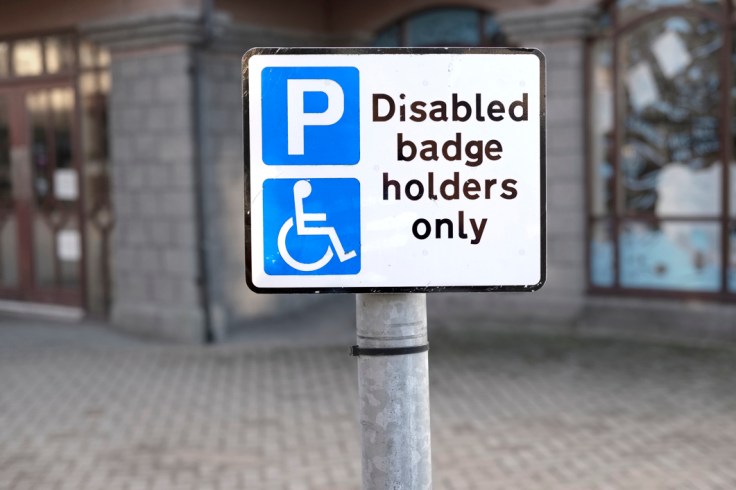
A recent survey by YourParkingSpace.co.uk found that almost a third of UK drivers would “challenge” someone parking in a disabled parking space if they thought they were “misusing” it.
1 in 10 people think that fines for misused parking should be up to £1,500, with some even suggesting a 3 month driving ban is in order for people who park in a disabled spot when they shouldn’t.
But what is the survey using as their definition of “shouldn’t”? Are they referring solely to people who don’t display their Blue Badge within a second of parking their car, or is it a more serious issue, only likely to get more difficult when new Blue Badge rules and eligibilities come into play in 2019?
If they are parking without the blue disabled badge, they will get punished with law enforcement, in the same way that all drivers who park without a parking ticket will. Those that feel brave enough to ‘challenge’ someone parking in the spot without a badge on display are doing a good service for the sake of blue badge users – and car park aficionados – everywhere.
But even regular blue badge users report frequently being judged by other motorists when using a disabled access space – as this need to police your local supermarket carpark seems to be getting unnecessary.
I imagine if you ask someone what they think of when they hear the word ‘disabled’ they’d say wheelchair.
“I get ‘looks’ when I pull up into a space, but then they go away when I get my stick out. Once I’ve got my wheelchair out, no one bothers me,” says Kendra, who suffers from Ehlers-Danlos Syndrome. “When I first got the badge I didn’t always use walking aids, so I definitely got more stares because there was me in a space with a badge, looking all normal.” Why is it the responsibility of Joe Bloggs to decide who is and isn’t “disabled enough” to be allowed a badge?
Jack, 24, who was born with spinal defect Spins Bifida, said, “I was sitting in my car in the carpark of Tesco waiting for someone, and this lady who was parked next to me started banging on my window. She screamed at me; “Excuse me! You do realise these spaces are for disabled people only?!” So I just said to her, “take a look in the back of the car!” She saw my chair and quickly said, “Oh my god, I’m so so sorry.”
In 2019, the Government rules on the Blue Badge system are being updated, meaning ‘hidden’ disabilities, such as autism and mental health conditions, could now be eligible for a blue parking badge. While a big step forward for disabled accessibility and inclusiveness, is that going to open further judgement over something as innocuous as a parking space?
“I imagine if you ask someone what they think of when they hear the word ‘disabled’ they’d say wheelchair, which is just what we as a society associate with the word,” said Jack. “But then there are people who do have mobility issues that either can’t walk far or might take longer to get into a car or need help getting into a car, which would then justify the use of a wider space/a space closer to the location that they’re going to.”
The right to defend the Blue Badge space is quite right – no badge, no parking. But these Blue Badges are issued by the Government based on specifications and requirements that it deems valid. If you’re one of the third of UK drivers who feel it’s their duty to police their local carpark, but make sure you stop to consider the situation before jumping to conclusions.


 We Drive Too
Leave a comment